







When vehicle owners begin researching car wrapping cost, they often compare it directly with repainting. Both options promise a refreshed look, but the overall experience, flexibility, and long-term impact differ significantly. Understanding how wrapping compares to traditional repainting helps drivers choose the upgrade that best fits their lifestyle and future plans.
While repainting has been the traditional approach for decades, modern wrapping technology has reshaped how people personalize and protect their vehicles.
Upfront Cost Comparison
At first glance, repainting may appear similar in price to a full wrap—especially when choosing high-quality finishes. However, a professional repaint involves sanding, priming, multiple paint layers, clear coat application, and extended curing time. These steps increase labor intensity and often raise costs for premium finishes.
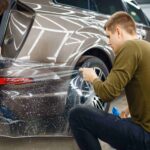
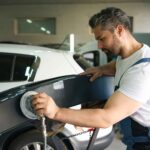
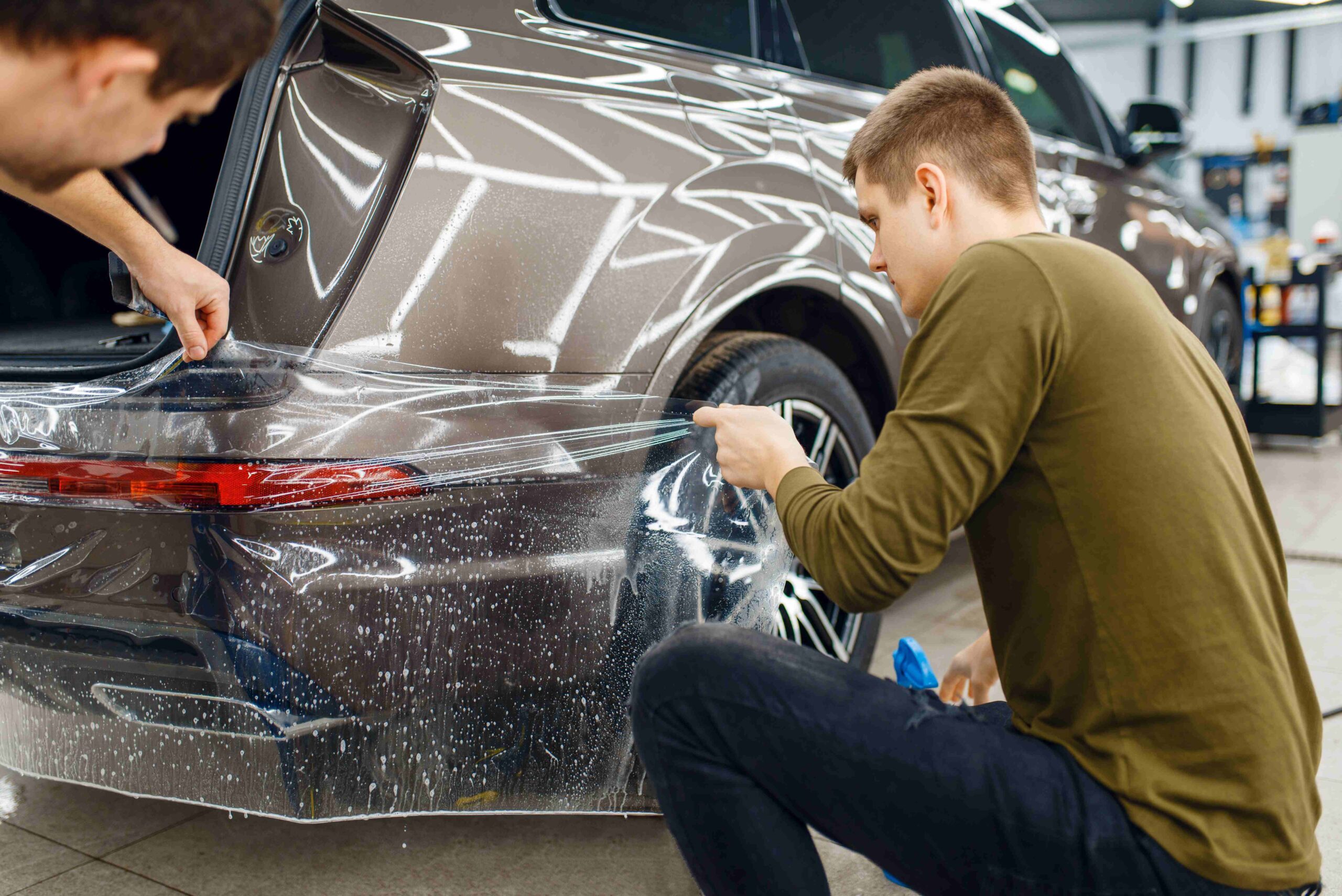
Car wrapping, on the other hand, skips many of these stages. Vinyl is applied directly over the original paint without altering it permanently. For many vehicles, wrapping can provide a complete color transformation at a comparable—or sometimes lower—price point than a high-end repaint.
Time and Downtime
Repainting can take weeks depending on preparation, drying time, and finishing processes. During that time, the vehicle is unavailable. Wrapping typically requires only a few days for full coverage, minimizing downtime.
For drivers who rely on their vehicles daily, reduced service time plays a major role in the decision-making process.
Flexibility and Reversibility
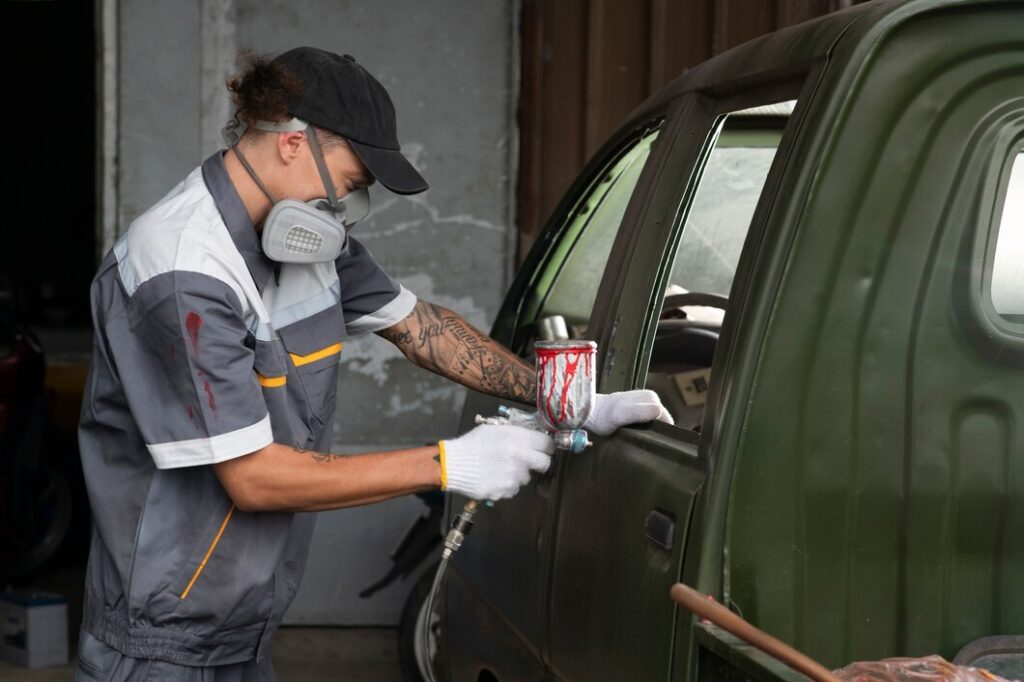
One of the biggest differences between repainting and wrapping is permanence. Paint changes are permanent unless the vehicle is repainted again—an additional expense and time commitment.
Wrapping offers flexibility. If you decide to change the color again in the future, the vinyl can be removed and replaced without damaging the original paint. This makes wrapping ideal for drivers who enjoy refreshing their vehicle’s look over time.
Protection Factor
Repainting enhances appearance but does not necessarily add protective value. Vinyl wraps, however, act as a protective layer against UV rays, minor scratches, and surface wear.
By preserving factory paint underneath, wrapping can help maintain resale value. When removed, the original paint often remains in excellent condition—something repainting cannot reverse once altered.
Resale and Market Perception
Original factory paint often carries more credibility in resale markets. Buyers sometimes question repainting due to concerns about accident repairs or hidden damage.
Because wrapping preserves original paint, owners have the option to remove the wrap before selling the vehicle. This flexibility gives sellers an advantage by presenting well-maintained factory finishes.
Lifestyle Versatility
Repainting locks you into one decision. Wrapping supports evolving tastes and trends. Whether you want a matte finish this year or a satin metallic look next year, vinyl makes transitions easy.
This adaptability appeals to enthusiasts, business owners, and everyday drivers who value creative freedom without long-term commitment.
Maintenance Considerations
Paint requires polishing and waxing to maintain shine. Wraps typically require simple washing without aggressive detailing. This can reduce long-term maintenance effort and cost.
Final Thoughts
Evaluating car wrapping cost alongside repainting shows that wrapping offers flexibility, protection, and adaptability that traditional paint cannot match. While both options enhance appearance, wrapping provides a modern, reversible solution that supports evolving style preferences and long-term value—making it an increasingly popular upgrade choice for today’s drivers.